
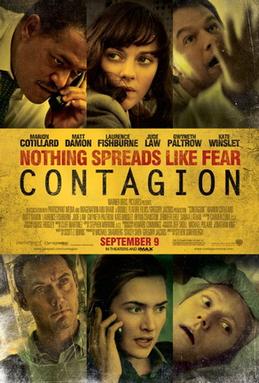
The COVID Pandemic has hit us all unexpectedly and, well, we all reacted as predicted if anyone has seen the movie “Contagion”. The 2011 drama has quite rightly, in my eyes as least, predicted the behaviours we’ve gone through during a pandemic. And with that in mind, the first thing that went through quite a lot of people’s mind, was to stock up on food. This is I presume a very reasonable thing to do; in a lockdown, you don’t want to be going out every other day once you’ve run out of chocolate or cookies. So the ‘reasonable’(?) thing obviously, is to buy 50 times the amount you’d usually eat. Great.
I have been living in the UK with my grandparents during this pandemic; this is very much a different experience to me as I was commuting into uni 5 times a week, eating most my lunches and dinners on the go either by meal prepping the day before or using discounted apps like Too Good To Go and Olio. Since the lockdown here March 20th, I have experienced a whole different eating and cooking lifestyle, trying different cuisines, checking for grocery delivery slots, and observing how my grandparents compost and plant their own food. It has been a very humbling experience and I look forward to listening to my grandparents’ stories of growing up during the war, where rations were given out. This allowed them to really have a sense of what is the bare minimum needed to survive when struggling, and how great things have changed since then.
Watching the 5 o’clock news has become a ritual. On BBC it was said that a billion pounds more food has been cited to be in people’s houses, suggesting that an average household was spending 63 pounds more on food each week at the peak of the pandemic panic buying period. Grocery stores on the other hand, had to take on more than 25,000 temp workers to work round the clock providing for eager customers.There were countless messages from retailers to the public to reassure them, they have enough stock, pleading to the public to stop panic buying (Perrett, 2020). However so, across the world, panic buying has become a real phenomenon. This, as the Food and Agriculture Organisation (FAO) has said, is not really a problem of the food supply, but a “behavioural change over food security”.
I’ve tried to keep track of all this through my facebook forum, “COVID19 Food Learning and Support Group”. It was a way to keep in contact with friends and family as well as to share some tips and tricks for all those aspiring cooks now with plenty of time to try their hand with that DoubleTree Cookies recipe. (Also online and can be found here) I have also found some distressing news about what’s happened to all those bulk bought food, pictures of them overflowing the bins have surfaced on the internet two weeks after the lock down, as expected, people forget that food don’t last as long even when we intended to have them for longer.
Nevertheless, there will be some good news coming out of all of this, hopefully as the lockdown progresses and in some countries, eases, people will soon go back to their normal food behaviours. Perhaps may be more aware to eat seasonally, reduce their intake on meat or check up on what food is grown locally, and how they may be able to grow that themselves perhaps (those lucky ones with gardens out there especially!). This will be a start of a new series of posts where I will be sharing innovative solutions to the food waste problem that has surfaced since the pandemic.
In the meantime, check out Dimitri’s food recipes, WRAP’s guide to food portion planning, or join this Facebook forum to share your thoughts and ideas to decrease food waste in your household!

 Honest Foods